
Why Big and Small Dogs Shouldn’t Play Together
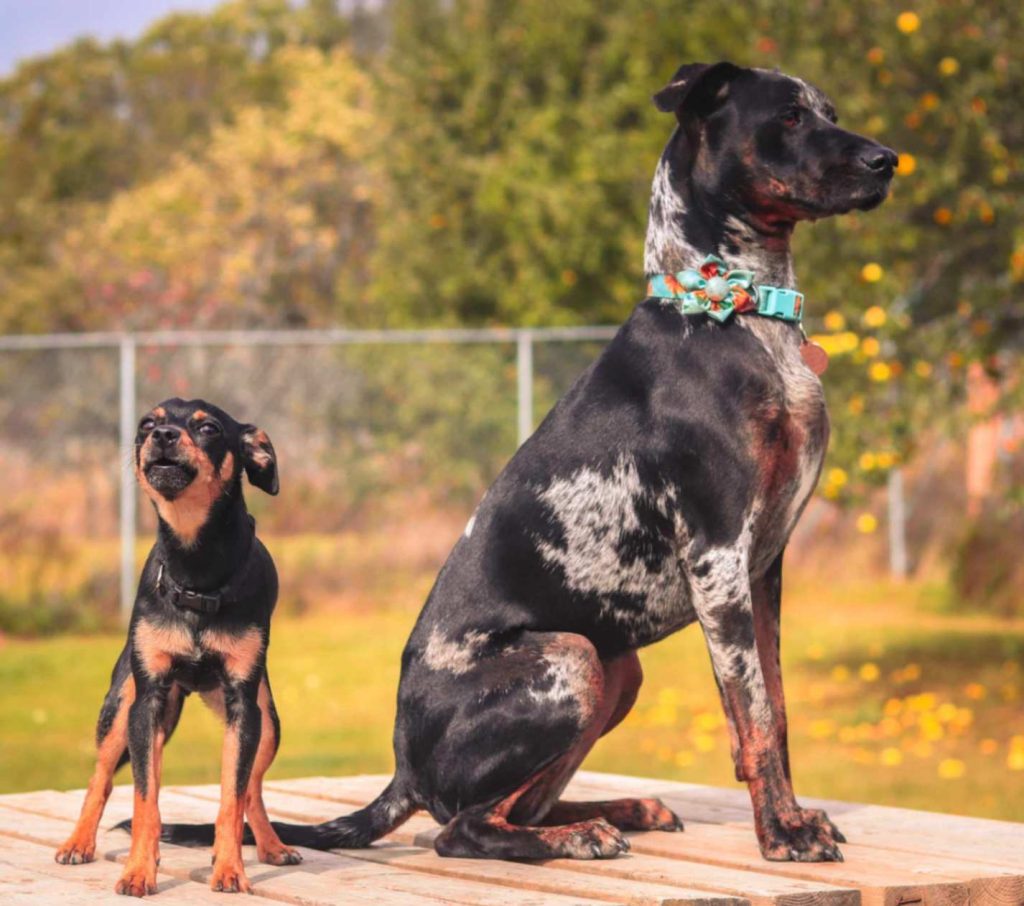
Understanding the risks and benefits
Dogs come in all shapes and sizes, from tiny Chihuahuas to towering Great Danes. Their diverse sizes and temperaments contribute to their charm but also present unique challenges during playtime. While letting big and small dogs play together might seem like a fun idea, there are important reasons to reconsider this approach—especially in a boarding kennel where groups, arousal, and speed can amplify risk. When play tips from healthy arousal into chaotic overstimulation, dogs can lose the ability to self-regulate, a pattern explored further in redlining in dogs and behavioural overload.
Physical risks to smaller dogs
The most obvious concern is injury risk to the smaller dog. Even the gentlest giant can unintentionally hurt a small dog due to sheer size and strength. A playful nudge can cause broken bones, dislocated joints, or internal trauma. Small dogs are also more likely to be stepped on or knocked over during enthusiastic play.
For example, a large dog may chase playfully, but the speed and force involved can injure the smaller dog—even if the bigger dog means no harm.
Different play styles and energy levels
Big and small dogs often play differently. Large dogs may prefer rough-and-tumble play, while many small dogs favour gentler interaction. The mismatch can lead to misunderstandings: a small dog may feel overwhelmed, while the larger dog may not recognize that their play is too intense. The result can be fear, anxiety, and sometimes defensive aggression, which is one reason facilities that manage play thoughtfully also focus on limiting dog social group sizes rather than mixing all dogs together.
Potential for aggression and fear-based responses
When a smaller dog feels threatened, it may react defensively with growling, snapping, or biting. Fear-based aggression can escalate quickly and can also put staff at risk when intervening. If a larger dog accidentally harms a smaller dog, the smaller dog may form negative associations that affect future socialization.
Different exercise needs and activities
Large dogs often need vigorous activity (running, chase, fetch), while smaller dogs may do better with shorter, gentler sessions. A “perfect” play session for a large dog can be overwhelming for a small dog, leaving one dog under-served or the other over-stressed.
Prey drive
Some larger dogs—whether used for hunting or not—have strong chase or prey drive. Mixing a 100-pound dog with a 3-pound dog can turn dangerous in seconds. The Canadian Kennel Club notes that breed tendencies, including chase and prey drive, can influence how dogs respond to fast-moving smaller animals, which is worth factoring into playgroup decisions Canadian Kennel Club breed behaviour overview.
Creating safe play environments
Separate play time and areas
Separate play yards by size and/or play style. Cycling guests through play throughout the day also lets a kennel limit group size so dogs don’t become overwhelmed.
Supervised playdates
Sometimes, a Great Dane is too big even for Labs. Ask about supervision: how many dogs does one staff member supervise at a time, and what is the intervention protocol if play becomes too rough?
Separate family play yards
If dogs live together at home, a kennel can still separate play by size while allowing family time in controlled settings. For example, large dogs can play with large dogs, then spend the night with their smaller family members safely.
While the idea of big and small dogs playing together can seem appealing, size differences change the stakes. Thoughtful grouping, strong supervision, and good facility design create safer play and better outcomes for dogs of all sizes.