
7 Ways a Kennel Can Stop a Dog Fight
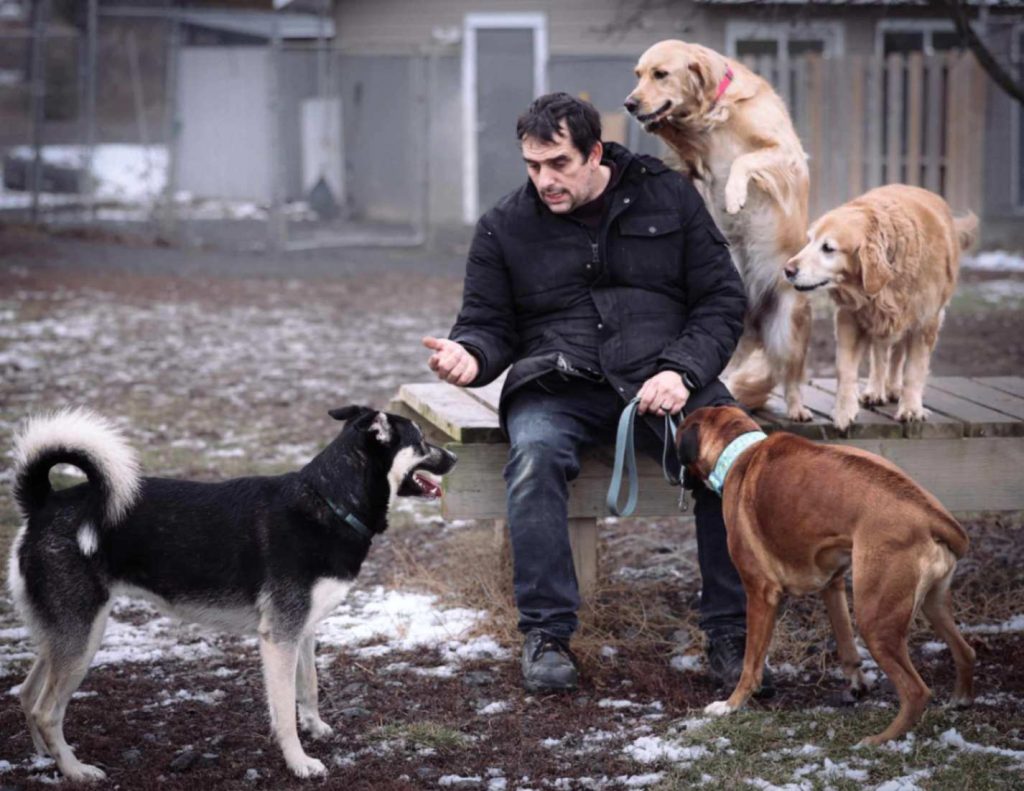
No one wants to hear that their fur-family was injured in a dog fight. The dread we feel is overwhelming. Are they safe? Are they in pain?
Then an even deeper dread sets in for those who have reactive dogs. Was it their fault? Surely not?!
Whether it was or not, we still have to deal with the consequences:
- A vet bill
- Rehabilitation
- Behavioural adjustments
“Dogs will be dogs,” right? That’s a quick way to brush off the responsibilities a kennel has when it comes to the behaviours our guests exhibit.
Important: These are not techniques for physically breaking up an active dog fight. They’re the systems and practices a kennel uses to prevent fights from happening—and to interrupt situations before they escalate.
Dog Fights Don’t Just Happen
Dogs are animals, but as the owner of a kennel, it’s my responsibility to reduce the risk of a dog fight. You don’t pay me just for socialization—you pay for proper socialization. And while I have to trust that owners describe their dogs accurately, I still must put systems in place to reduce the risk of negative experiences for other guests. Many escalations begin when dogs are pushed past their ability to regulate in stimulating environments, which is explored in more depth in redlining in dogs and behavioural overload.
Here are seven ways a kennel reduces the risk of a dog fight.
-
Thorough Check-In
Honesty is everything. At check-in, we ask about your dog’s history with other dogs and what commands they know. The more information we have, the better we can plan groups and management.
Pro tip: When someone describes their dog as “type A” or “alpha,” it often means the dog has been allowed to get away with poor behaviour for too long.
-
Smart Introductions
Not every dog understands what another dog is doing during greetings. Some have little experience meeting new dogs. Depending on their social skills, we introduce them one-on-one or in a small group. Thoughtful grouping is especially important because limiting dog social group sizes reduces social pressure and the chance of misread play escalating into conflict.
Fence behaviour can be misleading—some dogs fence-fight but are perfectly appropriate in the same space. For marginal or unknown dogs, we may start with a calm, experienced dog to assess reactions before widening the circle.
Pro tip: Limiting groups by size and demeanour reduces the chance of discord.
-
Interruption Cues
The best way to stop a fight is to make sure it never happens. Interruption cues help separate dogs before things get too heated:
Off, Luna
Sit, Bucky
No, Barney
Managing multiple dogs comes down to what they know. We guide them toward the right choice before things become unstable.
-
Removing Dogs Before It Escalates
If verbal control isn’t enough, we step in and separate dogs. Presence matters as much as language. Grabbing collars when a dog is hyped up can be dangerous, so we aim to get attention and compliance first.
This is also why we work in smaller groups until we know dogs are comfortable and stable.
-
Privacy Options
Privacy is a great option for some dogs—whether for themselves or their full fur-family. Some guests opt for privacy without trying to integrate. A system that supports this reduces risk and stress, using things like:
Private rooms
Fully walled rooms
Multiple yards
Some dogs need alone time and some social time. Splitting groups by intervals, outings, or days prevents overwhelm.
-
Practice Makes Perfect
Sometimes, a dog needs several visits—often starting in privacy—before they’re comfortable enough to join a group. There’s no magic number. What matters is building familiarity and showing anxious dogs that you will return and the environment is safe.
-
Behaviourist Support (When Needed)
Sometimes it’s beyond what a kennel can safely manage. Privacy can help in the short term, but the goal isn’t just to “get through a stay”—it’s to improve the dog’s quality of life. A behaviourist can triage symptoms and determine whether aggression is fear-based, anxiety-based, or something else. The University of Guelph’s Ontario Veterinary College provides owner-facing guidance.
There are few dogs we’ve asked not to return. In those cases, it’s usually best for everyone because the dog needs support we can’t provide safely in a group environment.
Dogs may take time to establish hierarchy, but fights can’t be taken lightly. Early, proper socialization helps reduce fear and anxiety patterns that can become entrenched over time. The last thing anyone wants is a call saying their dog has bitten another dog.
Unsure whether your pup is ready for daycare? See our article on socialization. Ready to build skills? Book a daycare day and start with the right structure.