
5 Important Elements of Water Management
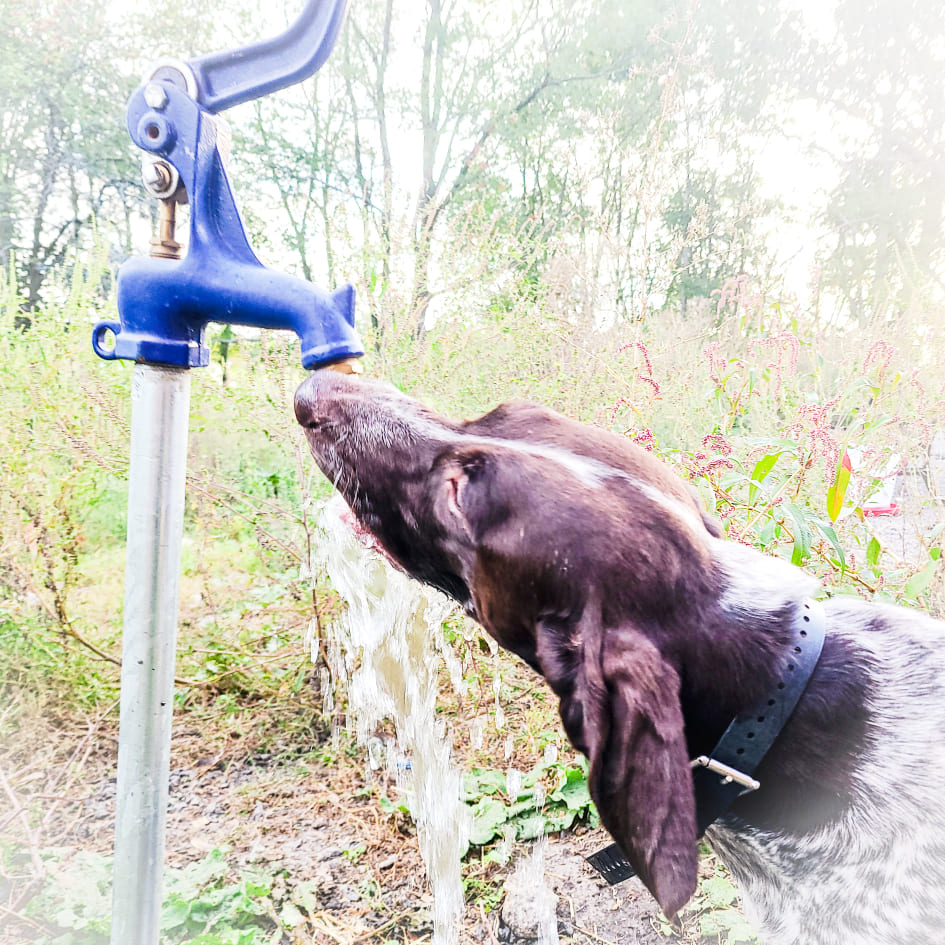
Water management.
Slurp. Slurp. Slurp. It might be the worst sound your dog can make when they’re drinking water because they’re thirsty. It’s also a reminder that boarding kennels need a real water management plan.
It’s not a topic we talk about much, but it matters. Dogs need water to drink, we need water to clean, and we use water to bathe guests in the grooming room. Clean, reliable water is a basic necessity, and poor hygiene practices can quietly compound stress in busy environments where dogs are already close to their thresholds, as discussed in redlining in dogs and behavioural overload.
When choosing a kennel for your fur-family, these water-related questions should be part of your due diligence.
-
Do Dogs Have Free-Choice Water?
As a rough guide, dogs need about an ounce of water per pound of body weight each day. Large breeds need a lot. Kennels should provide free-choice water—especially in heat or for dogs with medical needs. If a dog dumps bowls, facilities should use no-tip solutions and adjust placement so hydration is still available.
-
How Often Is Water Replaced (and Bowls Cleaned)?
Dog saliva forms biofilm on bowls. Even if water looks clean, bowls should be emptied, washed with hot soapy water, and refilled at least daily. During illness risk, appropriate disinfectants may be needed alongside regular washing. The Ontario SPCA emphasizes regular cleaning of food and water bowls to reduce bacterial buildup and disease risk Ontario SPCA guidance on water.
-
Is Water Pulled Overnight?
Some dogs overdrink and then struggle to make it through the night. In a kennel environment, adjusting evening water schedules and late potty breaks can reduce overnight accidents without compromising hydration. This should be individualized and discussed with owners.
-
Is There Shared Water in Communal Runs?
Shared bowls increase saliva-based disease transmission risk. A safer model is cohorting dogs and having them drink in their own rooms. Outdoor bowls can also be contaminated by wildlife or debris if left out for long periods. Thoughtful group management is part of broader risk reduction practices, similar to why limiting dog social group sizes reduces cross-contamination and behavioural stress.
-
What About Pools and Cooling Water?
Swimming can cool dogs effectively, but it introduces hygiene and labour considerations at a kennel. Long-coated breeds require thorough drying to prevent matting and hot spots. Shared water sources also increase cross-contamination risk. Ask how facilities manage drying, cleaning, and disease control if pools are used.
What Can You Do?
Ask kennels about their water protocols: how often bowls are cleaned, how hydration is ensured, whether water is shared between groups, and how cooling activities are managed. Thoughtful water management protects health—quietly, every day.
Curious about protocols? Arrange a tour. Ready to try a stay? Check availability and start with a short visit.