
Why Every Dog Needs Its Own Space
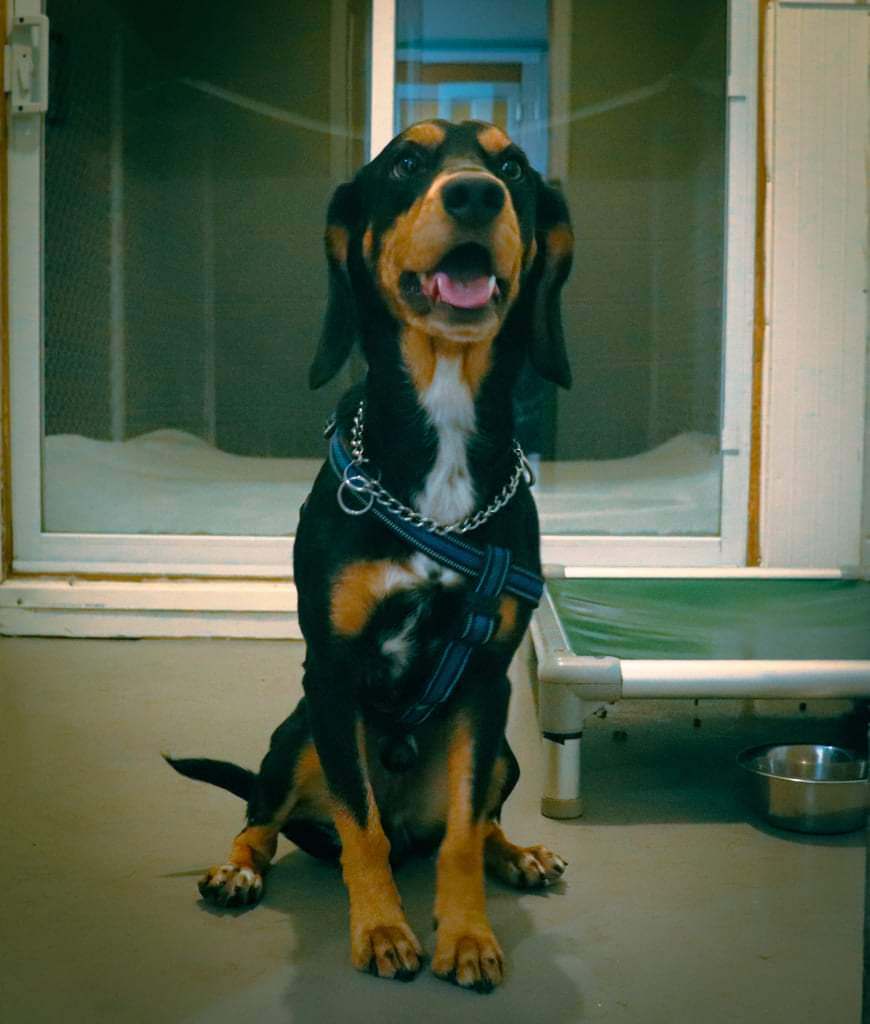
A guide to creating a happy and healthy environment for your canine companion
Dogs are incredibly social animals, thriving on human interaction and companionship. However, dogs also require space to feel secure and content. Just as people benefit from personal space for relaxation and solitude, dogs thrive when they have a designated area within the home or boarding kennel, particularly because constant stimulation without retreat can push dogs past their ability to regulate, as discussed in redlining in dogs and behavioural overload.
The importance of personal space for dogs
Reduces stress and anxiety
A designated space gives dogs a retreat from constant stimuli. Quiet, private areas allow decompression and help lower stress and anxiety—especially in busy environments like boarding kennels. This is also why intentional rest and recovery time matter, as outlined in why dogs need downtime.
Promotes good behaviour
Knowing they have a safe place to go reduces anxiety-driven behaviours such as chewing, excessive barking, or destructive digging. It can be especially helpful for dogs who graze on their food throughout the day.
Encourages independence
While dogs are pack animals, personal space builds comfort with being alone. This independence supports resilience and confidence.
Facilitates training
A designated space can be used as a calm reset during training, away from distractions.
Creating the perfect space for your dog
Choose the right location
Pick a quiet, low-traffic area. In kennel settings, moving overwhelmed dogs to calmer suites reduces stimulation and stress.
Provide a comfortable bed
Use a supportive bed sized for stretching out. Raised beds can help older dogs or those with joint issues. Familiar bedding from home can add comfort.
Add personal touches
Familiar blankets, toys, or chews help the space feel safe and inviting.
Incorporate a crate (when appropriate)
Crates can be den-like sanctuaries when introduced positively. Never use a crate for punishment; make it a place of calm and safety. The AKC provides guidance on crate use that emphasizes positive introduction and respecting a dog’s need for retreat. AKC guidance on crate training.
Ensure accessibility
The space should be easy for your dog to access whenever they need a break. Most dogs will come and go naturally once the routine is established.
Maintain cleanliness
Clean bedding and toys regularly and remove hazards. A tidy space supports health and comfort. Prompt clean-ups reduce stress and odours.
How to encourage your dog to use their space
Positive reinforcement
Reward calm use of the space with praise, treats, or toys. Feeding in the room can create strong positive associations.
Routine and consistency
Encourage quiet time in the space after walks or play. Consistency builds understanding that the area is for rest.
Respect their space
Avoid intruding when your dog is settled. Respect reduces resource guarding and helps dogs feel secure.
Conclusion
Personal space supports emotional well-being, reduces stress, and promotes positive behaviour. Ask how much space boarding guests receive and whether dogs are grouped or given private areas. Respecting your dog’s need for personal space improves quality of life and creates calmer, safer stays.